

Design Your Perfect Room Start with Flooring
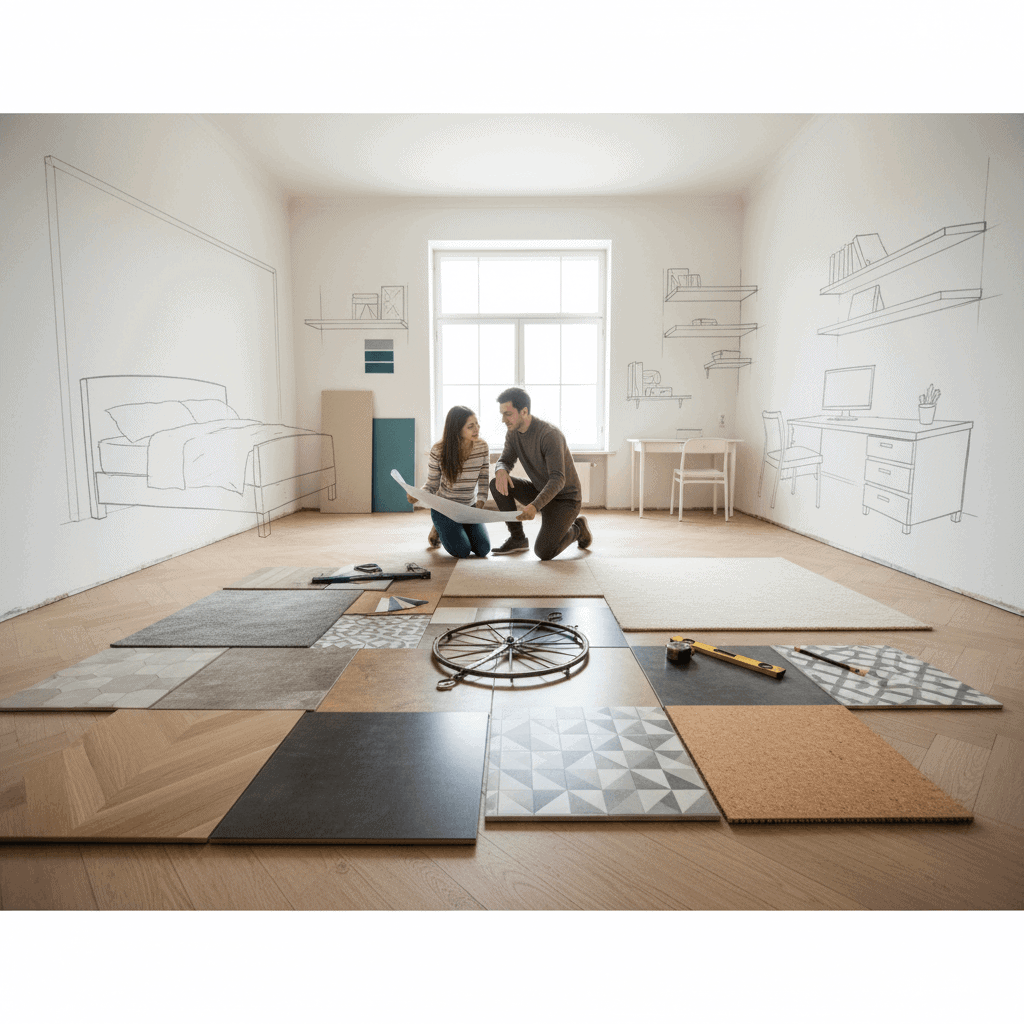
Flooring is the foundation of a room in more than one sense. It supports furniture and feet and sets the visual rhythm that every other element follows. When you choose the right floor material, color, and finish you create a framework that makes decorating easier and more intentional. If you start with flooring you give yourself a clear palette for walls, textiles, and lighting.
This article walks through practical steps for selecting floors that align with how you live, how you want a room to feel, and how long you want that look to last. Expect real world examples, helpful rules of thumb, and a few trade secrets that designers use to get consistent results without guesswork.
Design Your Perfect Room Start with Flooring
When you approach a room with the mindset that flooring comes first you change the order of decisions. Instead of picking paint or furniture and hoping the floor fits, you choose the floor and let it guide scale, color, and texture choices. A warm oak floor calls for a different rug and lighting than a cool gray concrete surface.
Consider an open plan living and dining area. If you pick a uniform wood tone for continuity you make the space feel larger. If you want distinct zones, use two compatible materials such as wood in the living area and large format tile in the dining area. Both strategies have merit. The right option depends on traffic patterns and the mood you want to set.
Match Flooring Type to Room Function and Traffic
One of the first filters is how a room will be used. High traffic zones like entryways and kitchens need materials that handle wear and spills. Bedrooms and formal sitting rooms can tolerate softer, more delicate options that reward minimal foot traffic.
- Entryways and mudrooms benefit from porcelain tile or luxury vinyl that resists moisture and scuffs.
- Kitchens do well with durable surfaces such as ceramic tile, engineered hardwood with a strong finish, or thick vinyl that stands up to dropped dishes and frequent cleaning.
- Bedrooms are ideal for hardwood, carpet, or cork where warmth underfoot and sound absorption are priorities.
Think also about pets and children. Scratch resistance, ease of cleaning, and non slip finishes are practical requirements. For a family home, a textured surface can hide small imperfections better than a flawless glossy floor.
Consider Durability and Lifecycle Costs
Initial price is only one part of the equation. Factor in installation, maintenance, and expected lifespan when comparing options. A mid range hardwood may need refinishing every 10 to 15 years depending on wear. A good quality porcelain tile may last decades with minimal upkeep.
- Upfront cost covers materials and labor for installation.
- Maintenance costs include cleaning products, periodic sealing, or refinishing fees.
- Replacement cycle impacts long term value; a floor that lasts longer can be more economical.
Example scenario: choosing between laminate and engineered hardwood. Laminate can be less expensive initially and scratch resistant, but it may fall short in resale appeal. Engineered hardwood costs more up front but may add perceived value when selling a property.
Color Tone and Pattern Choices That Shape Mood
Floor color has a direct effect on perceived space and atmosphere. Lighter floors reflect more light and make a room feel airier. Dark floors provide contrast and a sense of grounding. Mid toned floors are forgiving with dirt and furniture marks and are often the safest choice for mixed use rooms.
- Warm wood tones create a welcoming feel and pair well with warm paint colors and brass finishes.
- Cool gray floors work well with minimalist or industrial styling and allow vibrant textiles to stand out.
- Patterned tile introduces visual interest and can be used to define a zone without a rug.
When mixing floors between rooms, aim for harmony. A consistent undertone between adjacent materials ties spaces together even when the surface changes. For instance, a living room with warm oak and a kitchen with stone tile that carries warm flecks will feel cohesive.
Installation and Maintenance Tips for Long Term Performance
Proper installation and a simple maintenance routine extend the life of any floor. Small choices at installation time pay dividends later.
Installation considerations
- Subfloor preparation is critical. Leveling and moisture testing prevent problems like squeaks, buckling, or tile failure.
- Transitions and thresholds matter. A well chosen transition piece between materials prevents tripping and looks intentional.
- Underlayment selection impacts acoustics and comfort. Use a dense underlayment for sound reduction under floating floors.
Cleaning and care routines
- Daily or weekly maintenance typically involves sweeping or vacuuming to remove grit that can scratch surfaces.
- Wet cleaning should use products recommended by the floor manufacturer. Too much water harms wood and some laminates.
- Preventive measures such as felt pads on furniture legs, door mats, and area rugs extend the surface life.
Example tip: For hardwood, use a damp mop with a cleaner formulated for wood. Avoid steam cleaners unless the manufacturer explicitly approves them.
Styling with Flooring and Complementary Elements
Once the floor is selected, use textiles and furniture scale to complete the room. Rugs are powerful design tools, not only for comfort but for defining zones and hiding heavy traffic paths.
- Rug size matters. In living rooms, place at least the front two legs of seating on the rug for cohesion.
- Contrast between rug and floor can create a focal point. A patterned rug over a plain floor adds personality without excess effort.
- Furniture finish should relate to the floor tone. Metallics, woods, and fabrics that share undertones will feel intentional.
Lighting choices also interact with flooring. Matte floors diffuse light and reduce glare while glossy finishes reflect more, which can make a space feel livelier or, in the wrong context, overly shiny.
Choosing Floors for Open Plan Spaces and Transitions
Open layouts present a particular challenge. You want continuity across the plan while still allowing areas to feel distinct. Here are practical approaches.
- One material throughout creates a continuous sense of flow and can make smaller spaces feel larger.
- Two coordinated materials can define rooms. Ensure a visual link by matching undertones or repeating texture or color elsewhere.
- Use subtle level changes or rugs to mark a transition without interrupting the sightline.
For inspiration and step by step decision help check a focused resource that walks through common scenarios and matching options dream space flooring tips.
Final considerations for resale and personal style
If resale is on your mind choose finishes that appeal to the widest range of buyers while still respecting your personal taste. Neutral toned hardwood and large format tiles are safe bets. If you prefer a more personal look, limit bold choices to smaller rooms or to removable items like rugs and wallpaper.
Balance emotion with practicality. Flooring is an investment that affects daily life. A fearless color in a small powder room has low risk. A daring floor throughout a multi room open plan is a larger commitment.
When shopping, keep samples and observe them in different lighting across the day. A sample that looks great in store lighting can read very differently in southern afternoon sun. Lay a sample next to your sofa and curtains to check compatibility.
Choosing a floor first simplifies later decisions and reduces costly mistakes. It gives a home a clear base for texture, color, and function. Start with how you use the room then filter choices by durability, maintenance, and the mood you want to create. Use transitions and rugs to link spaces and reserve bold statements for places that can be changed without major cost. With a clear plan you can achieve a room that looks intentional and performs well for years.
Ready to make a decision? Gather samples, prioritize the rooms that see the most wear, and set a realistic budget that includes installation and maintenance. If you need a short checklist to take with you to the showroom, note traffic level, moisture exposure, pet considerations, and desired lifespan. These four items will narrow options quickly and help you select a floor that aligns with how you live and how you want the space to feel. Take the next step and plan a visit to three suppliers with your checklist in hand so you can compare under the same light and with the same use cases in mind.
 Family Law Explained
  Benefits of Pest Control Services
  Free Psychic Readings
  Christmas Spending
  Gold Jewelry Fashions
  Organizing a Neighborhood Cleanup