

Design a Home Optimized for Both Living and Operating
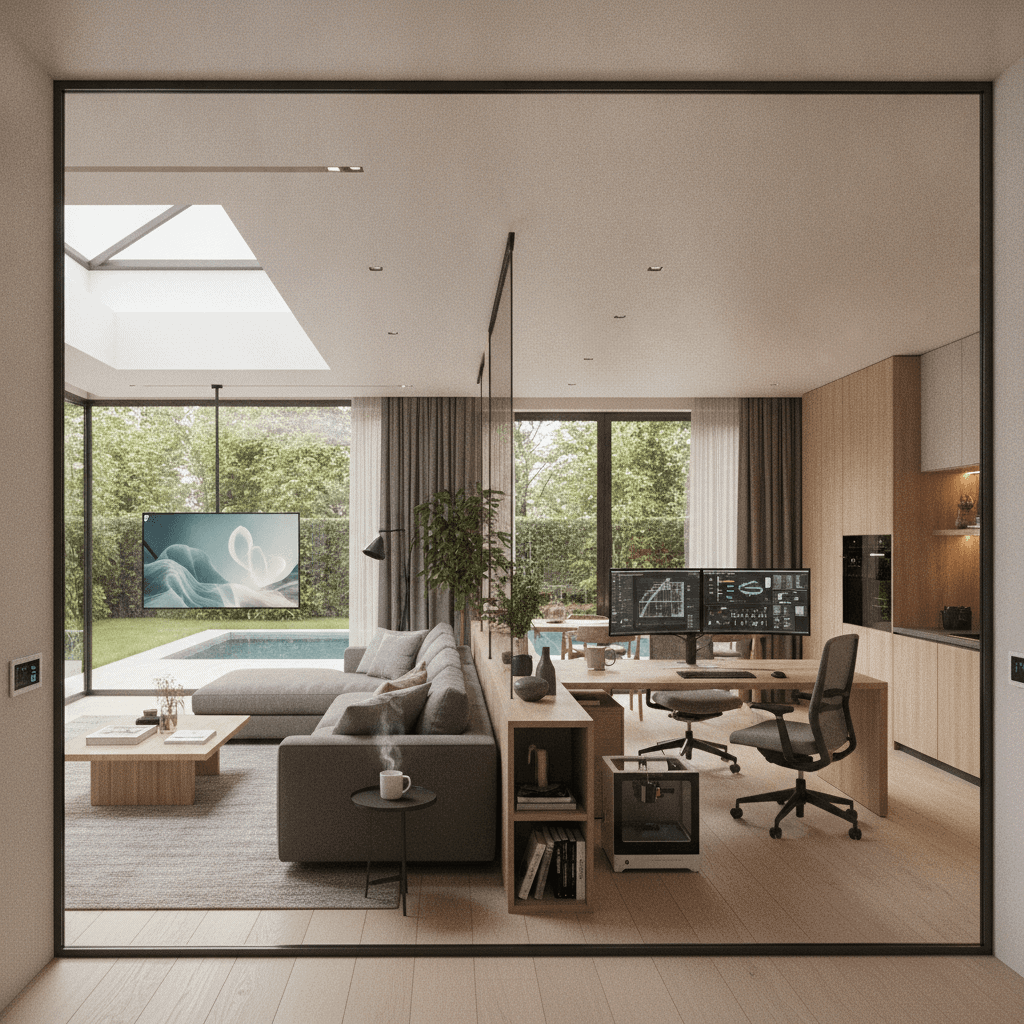
Our homes have become more than just places to live. They are now dynamic spaces that support our lives in many different ways. I see this firsthand in how people use their homes every day. A single space might serve as a family room a home office and a workout studio all within a few hours. This blending of functions demands a new approach to how we think about home design.
We need to consider how a house not only feels but also how it performs. It is about creating environments that are comfortable and inviting but also efficient and functional. My focus is on helping people achieve this balance. It is a critical part of modern living because our homes are central to nearly everything we do.
This means designing spaces that are intuitive to use and easy to maintain. We want a home that reduces stress and supports productivity without sacrificing relaxation. This goal of creating a truly optimized home drives many of our discussions and design choices.
Understanding the Dual Nature of Modern Homes
Homes today are true multi-taskers. They are not just shelters where we eat and sleep. Many of us now work remotely which means our kitchen table might double as an office. Spare bedrooms transform into fitness studios or creative workshops. These new demands mean that design choices must reflect this complexity. We need spaces that can adapt and serve several purposes without feeling cramped or inefficient.
This shift has been a big topic of conversation. The traditional idea of a home with separate rooms for specific activities is changing. We now look for fluidity in our spaces. This allows for smooth transitions from one activity to the next. Thinking this way helps us build or remodel homes that truly support a modern lifestyle.
The impact of remote work for example has been significant. Many people found themselves needing a dedicated workspace fast. Some made do with temporary setups. Others realized the long-term benefits of an optimized home office. This experience showed us that homes need more thoughtful planning for their operational aspects.
The Blurring Lines Between Life and Work
The boundaries between personal life and professional responsibilities have faded. This is why our homes must respond. A well-designed home can minimize friction when shifting gears. I have seen clients transform underutilized nooks into highly productive work areas. This careful planning prevents work from spilling over into relaxation spaces.
It is not just about adding a desk to a corner. It involves thinking about power outlets, internet connectivity, and adequate lighting. It also means considering privacy and sound control when needed. We want to create spaces that feel purposeful for each activity. This makes the home feel organized and peaceful.
We consider how families use communal areas too. The living room might host movie nights and also serve as a classroom during the day. This duality requires adaptable furniture and smart storage solutions. These choices ensure the space always feels appropriate.
Smart Layouts for Seamless Transitions
Designing a home that works well means thinking about how people move through it and use each area. I often discuss with clients the benefits of smart layouts. These layouts support the diverse functions our homes now serve. We balance the appeal of open-plan living with the need for distinct zones. Open spaces feel inviting and spacious. However they sometimes lack the clear boundaries needed for focused activities.
Segmented spaces offer more privacy and organization. You might have a separate study or a quiet reading nook. The key is to find a blend that works for each household. We strive for a flow that makes sense. This means rooms connect logically. It allows activities to transition smoothly without disruption.
For instance, the kitchen is often the heart of the home. It is where families gather, cook, and entertain. But it can also be a spot for homework or a casual work meeting. Designing a kitchen with a large island or a built-in desk area provides this flexibility. It serves as both a social hub and a functional operational space.
Creating Dedicated Work Zones
Dedicated work zones are essential in a home designed for both living and operating. I advise clients to think about where they can create these. It might be a small corner in a larger room. It could also be a separate office. The most important thing is that the space feels distinct. It helps separate work from personal life.
Good lighting is crucial for any workspace. Natural light is always best but task lighting also plays a big role. It reduces eye strain and helps maintain focus. Sound control is another important factor. Using sound-dampening materials or placing the workspace away from high-traffic areas can make a difference. These elements contribute to an effective work environment.
We also think about ergonomics for comfort during long hours. A proper chair and desk setup prevent discomfort and boost productivity. Storage is also important. Keeping work items organized and out of sight helps maintain a clean and uncluttered living area.
Integrating Technology for Enhanced Operation
Modern homes truly benefit from smart technology. I see it as a fundamental part of designing a home optimized for both living and operating. Smart home systems allow for remarkable control and efficiency. They manage everything from climate to security. This integration makes a home feel more responsive. It also makes daily tasks much easier to handle.
Think about energy management. Smart thermostats learn your habits. They adjust temperatures to save energy without you having to think about it. Automated lighting systems can turn off lights when no one is in a room. These small actions add up to significant savings and a reduced environmental footprint. They make your home operate with greater intelligence.
Security is another big area where technology shines. Smart locks and cameras provide peace of mind. You can monitor your home from anywhere. They also allow for convenient access for guests or service providers. This level of control changes how we interact with our living spaces. It makes them safer and more manageable.
Automating Routine Tasks
Automating routine tasks is a core benefit of modern home design. It gives us back valuable time and mental energy. I often recommend smart devices that simplify daily life. For example, robotic vacuums handle floor cleaning on a schedule. Automated blinds can adjust with the sun to manage heat and light. These are not just gadgets. They are tools that enhance how your home runs.
Consider smart irrigation systems for your garden. They use local weather data to water only when necessary. This saves water and keeps your plants healthy. Smart kitchen appliances can streamline meal preparation. Some refrigerators even track your groceries. These technologies transform mundane chores into seamless operations.
The goal is to create an operational home design. It is one where the home actively works to support your lifestyle. This means less effort from you for routine management. This frees you up to focus on living and enjoying your space.
Material Choices and Durability for Long-Term Use
When I design homes, I always consider the materials we choose. They are crucial for creating a space that lasts and is easy to maintain. A home designed for both living and operating experiences a lot of wear and tear. This is because it serves so many functions. So selecting durable materials is not just a preference. It is a necessity.
For example, floors in high-traffic areas need to withstand constant movement. Hardwood or engineered wood with a strong finish can be a good choice. Porcelain or ceramic tiles are also excellent for kitchens and bathrooms. These materials resist scratches and spills. They look good for years with minimal effort. This reduces the operational burden of constant repairs or upkeep.
Countertops in busy kitchens also require resilience. Quartz or granite are popular choices because they are non-porous and resistant to stains and heat. They stand up well to cooking projects. They also handle daily use as a makeshift desk. We want surfaces that perform well in many roles.
Maintenance and Longevity
Thinking about maintenance from the start saves time and money later. I always advise my clients to choose finishes that are easy to clean. Low-maintenance materials mean less time spent on chores. This gives you more time to enjoy your home. For example, walls painted with washable, durable paints are a wise investment. They can be wiped clean without damaging the finish.
Outdoor spaces also need careful material selection. Decks made from composite materials resist rot and insects better than traditional wood. This reduces the need for frequent staining or sealing. These choices contribute to the overall longevity of your home. They ensure it continues to look and function well.
The benefit of durable materials goes beyond just aesthetics. They mean fewer replacements and repairs over time. This reduces the overall cost of operating your home. It ensures that your investment continues to pay off.
Optimizing Energy Efficiency and Resource Management
Designing a home that is both comfortable and efficient involves smart resource management. I always emphasize the importance of energy efficiency. This is not just about saving money on utility bills. It is also about creating a more sustainable living environment. Every decision from insulation to appliance choices impacts your home’s operational footprint.
High-quality insulation is a foundational element. It keeps your home warmer in winter and cooler in summer. This reduces the strain on your heating and cooling systems. Energy-efficient windows also play a vital role. They minimize heat transfer and block harmful UV rays. These investments pay for themselves over time. They also provide immediate comfort.
Water conservation is another key area. Low-flow showerheads and toilets significantly reduce water usage. Rainwater harvesting systems can provide water for gardening. These choices are good for your wallet. They are also beneficial for the planet. We strive for designs that integrate these elements seamlessly.
Reducing Your Home’s Footprint
There are many ways homeowners can reduce their home’s environmental impact. I suggest starting with a home energy audit. This helps identify areas for improvement. Switching to LED lighting throughout your home is a simple yet effective step. LEDs use less energy and last much longer. This reduces waste and replacement costs.
Consider installing solar panels if your budget and location allow. This can significantly offset your electricity consumption. Even small changes make a difference. Unplugging electronics when not in use stops phantom energy drain. These actions contribute to a more efficient home.
Choosing energy-star rated appliances is also important. These appliances are designed to use less energy and water. They perform just as well as their less efficient counterparts. By making these informed choices, you create a home that operates optimally. It supports both your family and the environment.
Designing for Adaptability and Future Needs
The world changes quickly so our homes should be ready for what comes next. I always think about adaptability when designing a home. This means creating spaces that can evolve with the people who live in them. A flexible home remains valuable and functional for many years. It prevents the need for costly renovations down the line.
Consider flexible spaces that can easily change their purpose. A guest room might convert into a nursery later. A dining room could become a large workspace or a homeschooling area. Modular furniture helps with this flexibility. Pieces that can be rearranged or resized offer great versatility. They allow a room to serve different functions effortlessly.
Infrastructure for upgrades is also important. Running extra wiring for smart home tech during construction is smart. Planning for electric vehicle charging in the garage is also wise. These small foresight additions make future changes easier. They prevent major disruptions and extra costs. We want homes that are built for the long haul.
Conclusion: A Home That Works As Hard As You Do
Designing a home optimized for both living and operating is about creating a truly intelligent space. I have shared insights into how thoughtful planning makes a big difference. We looked at how modern homes need to adapt to multiple roles. We also discussed the importance of smart layouts and dedicated work zones. Integrating technology for enhanced operation streamlines daily tasks. Choosing durable materials ensures longevity and easy maintenance. Furthermore, prioritizing energy efficiency reduces costs and environmental impact. Building for adaptability allows your home to grow with your family’s changing needs.
Your home is a major investment. It deserves to be a place of comfort and also a hub of efficiency. It should support your life without adding stress. By focusing on these design principles, we can create spaces that work as hard as we do. This ensures every square foot serves a purpose. It also means every system operates smoothly.
I encourage you to look at your own home with a fresh perspective. Think about how it functions now and how you want it to support you in the future. Small changes can lead to big improvements in how your home feels and operates. Consider what aspects you can optimize today. Start planning for a home that truly enhances your daily life.
 Family Law Explained
  Benefits of Pest Control Services
  Free Psychic Readings
  Christmas Spending
  Gold Jewelry Fashions
  Organizing a Neighborhood Cleanup
  Design a Home Optimized for Both Living and Operating