

Is an Alert Device Essential for Senior Travel Safety First
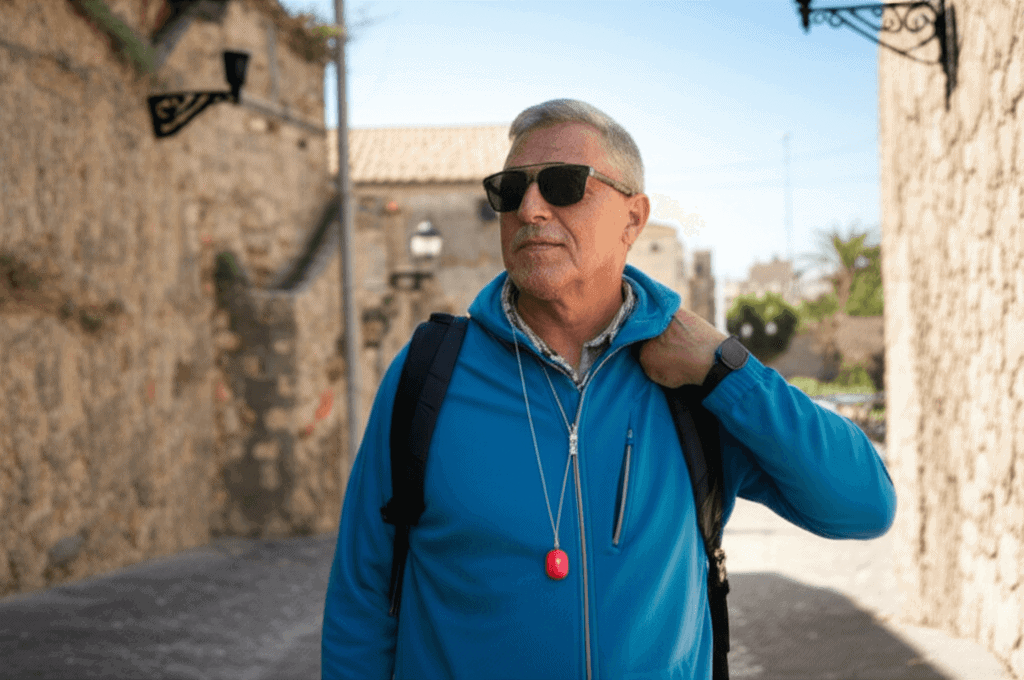
Travel brings freedom, new views, and stories worth telling. Many older adults find the joy of traveling bigger than the hassle of planning or preparing. A rising trend among seniors and their loved ones is carrying a personal alert device when away from home. This piece dives into whether such a device truly matters for senior travel safety and lays out simple ways to pick and use one while traveling. Knowing this could make trips safer and easier, so keep reading to find out how to travel smart and confident.
Think of an alert device as part of a travel safety kit rather than a single solution. When paired with good planning and common sense it can make certain risks easier to manage. Below I break down how these devices work, where they add the most value, how to select a unit that fits a trip, and realistic expectations to carry into a trip.
Understanding why senior travel safety matters and common risks
Travel exposes people to new environments and routines. For older travelers that can raise the risk of falls, medical incidents, or getting lost in unfamiliar places. Statistics from travel health studies show that older travelers have higher rates of on trip medical consultations and emergency room visits than younger travelers. A small percentage of trips end with a need for urgent help far from home.
Knowing the main risks helps set priorities for what to pack. Falls are common in crowded transport hubs and unfamiliar hotel bathrooms. Sudden illness can happen anywhere. Loss of mobility aids or medication complications can escalate a situation quickly. A well chosen alert device can provide a direct line to help when time matters most.
How personal alert devices work for travelers
Personal alert devices are compact electronic tools that let a user call for help at the press of a button. The way that call is routed depends on the model. Some units connect to a monitoring center that will talk to the user and contact emergency services or designated contacts. Other devices ring a paired phone or send GPS location data to family members.
Key differences include method of communication, response protocol, and whether the device uses cellular service GPS or Bluetooth pairing. These factors determine where the device will work and how quickly help can arrive. Understanding these differences helps match a device to the kind of trips a senior plans to take.
Types of alert devices
There are three common categories to consider. First, pendant style units with built in cellular radios that work like a wrist free phone. Second, wearable buttons and smartwatches that pair to a smartphone and use its network. Third, simple fall detectors that trigger alarms when a sudden movement pattern is detected. Each type has trade offs in cost, range, and independence from a phone.
Connectivity and coverage for travel
Connectivity is the single most important technical factor for travelers. A device that depends on a local smartphone will fail if the phone battery dies. A unit with built in cellular service can work without a separate phone but may not have coverage in remote areas or in another country. GPS accuracy varies inside buildings so responders may need additional location clues from the user.
Real world examples where devices made a difference
A woman in her seventies slipped in a crowded train station and could not stand. Her pendant unit contacted a monitoring center that spoke with her and called emergency services. The operator provided key medical details to the first responders before they arrived. Another case involved a man traveling alone who felt dizzy in a hotel room. He pressed the button on a smartwatch that alerted his daughter and the front desk staff who then arranged transport to a clinic.
These examples show two common advantages. One is reduced time to contact a responder. The second is the ability to connect a user to trained call operators who can coordinate local services. Neither story implies the device replaced other precautions. Both travelers had shared itineraries with family and carried medication lists, which made the response smoother.
Choosing the right device for your trip
Selecting a unit means balancing portability, coverage, battery life, and the clarity of the response protocol. Ask if the device works in the countries you will visit. Verify roaming or local sim policies if you cross borders. Consider battery life for multi day excursions where charging may be limited. Finally review how the response center operates and whether it will contact local emergency services or only notify family members.
Price varies widely. Subscription services are common and may include monitoring fees and cellular data charges. Budget models can be useful for city breaks where a smartphone is close at hand. For longer or more remote trips a cellular enabled device with wider coverage is often worth the extra cost.
For a clear overview of features that matter and real world advice from travel experts visit this article and find out more
Features to prioritize when buying
When evaluating models think about these practical features. First priority is how the device reaches help. Next is battery life and how you will charge the unit while traveling. Waterproof ratings can matter for beach trips and fall detection technology is helpful though it can give false triggers with vigorous movement. A clear audible speaker and two way voice ability helps responders confirm the user condition. Also check customer reviews that discuss actual travel use rather than indoor home use.
- Coverage area choose a device that works where you will go
- Battery life pick units with multi day runtime or easy charging
- Response protocol make sure the monitoring center can call local services
- Durability water resistant designs reduce worry in wet conditions
- Simplicity easy to press buttons and clear indicators reduce confusion
Practical tips for using an alert device while traveling
Technology must be matched with good practices to be effective. Start by setting up the device and testing it before leaving home. Store a short medical summary and a list of medications in the device profile and carry a paper copy. Share access with a trusted contact who can act if the monitoring service reaches them instead of emergency services.
Carry the unit in a place you will not misplace. If it is a pendant keep it under clothing while in crowds. If it pairs to a phone keep the phone charged and set low power reserves for emergency messaging. Practice pressing the button so you can do it with one hand if needed. If you take taxis or rideshares add a brief note in your trip plan that you are carrying a device so drivers are ready to help if contacted.
Addressing privacy and false alarms
Some people worry that carrying a device means being monitored constantly. Most devices are only active when a button is pressed or when a fall is detected. Review the manufacturer’s privacy policy to learn how location data and audio are stored and who can access them. For travel it helps to set contact preferences so family members are notified first when possible.
False alarms happen. Repeated false alarms can be inconvenient and may lead to a reduced willingness to use the device. To limit false alarms disable overly sensitive fall detection if you will be doing active sightseeing that involves sudden movements. Many services offer a cancellation window where you can stop a dispatched response if you pressed the button accidentally.
Cost considerations and insurance interactions
Costs include the device purchase and a recurring subscription in many cases. Some travel insurance policies offer reimbursements for emergency transport and may coordinate with local providers. Check whether an alert device service is compatible with the insurance company emergency line. In some cases family members find that the added monthly fee is modest compared with the cost of arranging help remotely.
Think about cost in terms of potential savings. Faster contact with responders can reduce hospital transport time and may avoid costly complications. For seniors who travel frequently a wear and forget device may be more economical than ad hoc solutions. For rare travelers a rental service or short term subscription might be a better fit.
Balancing independence and safety while away from home
Many older adults want to travel without feeling dependent on others. A personal alert device offers a middle ground where the traveler keeps control while having a reliable way to call for help. Families often report increased confidence when a loved one travels with a device and a clear plan is in place.
That balance depends on choosing the right unit, practicing how to use it, and integrating it with trip plans. Carrying copies of prescriptions, sharing itineraries, and keeping emergency contacts up to date make the device more effective. Think of the device as one layer in a layered travel safety plan rather than the only precaution.
Final decisions will depend on the traveler health profile, trip destinations, and comfort with technology. For some seniors the device is essential. For others it is a welcome backup. Either way a careful match of features to travel needs is the best path to use one well.
In summary the question Is an Alert Device Essential for Senior Travel Safety First has a practical answer. If a traveler has a history of falls or medical episodes or will be alone in locations where help may be delayed then an alert device moves from optional to important. If a trip is short and the traveler is rarely alone then a device may be less critical though still useful. The right decision is made by assessing personal health risks and the specifics of the trip.
To make the choice easier start by listing the places you plan to visit, how long you will be away, and who is reachable while you are on the road. Test models you consider and lean toward units with clear communication methods and reliable coverage for your destinations. Share device access and trip plans with at least one trusted contact. Taking these steps reduces delays when help is needed and keeps the focus on enjoying the trip.
If you are preparing for a trip take a moment to review the options and set up the device well before departure. Small actions now can prevent large problems later. If you want more practical tips and a deeper look at model features take action and read further guidance on reputable travel safety resources. Make a plan today and travel with more confidence tomorrow.
 Family Law Explained
  Benefits of Pest Control Services
  Free Psychic Readings
  Christmas Spending
  Gold Jewelry Fashions
  Organizing a Neighborhood Cleanup