

Roofing Mistakes You Must Avoid Read This Now
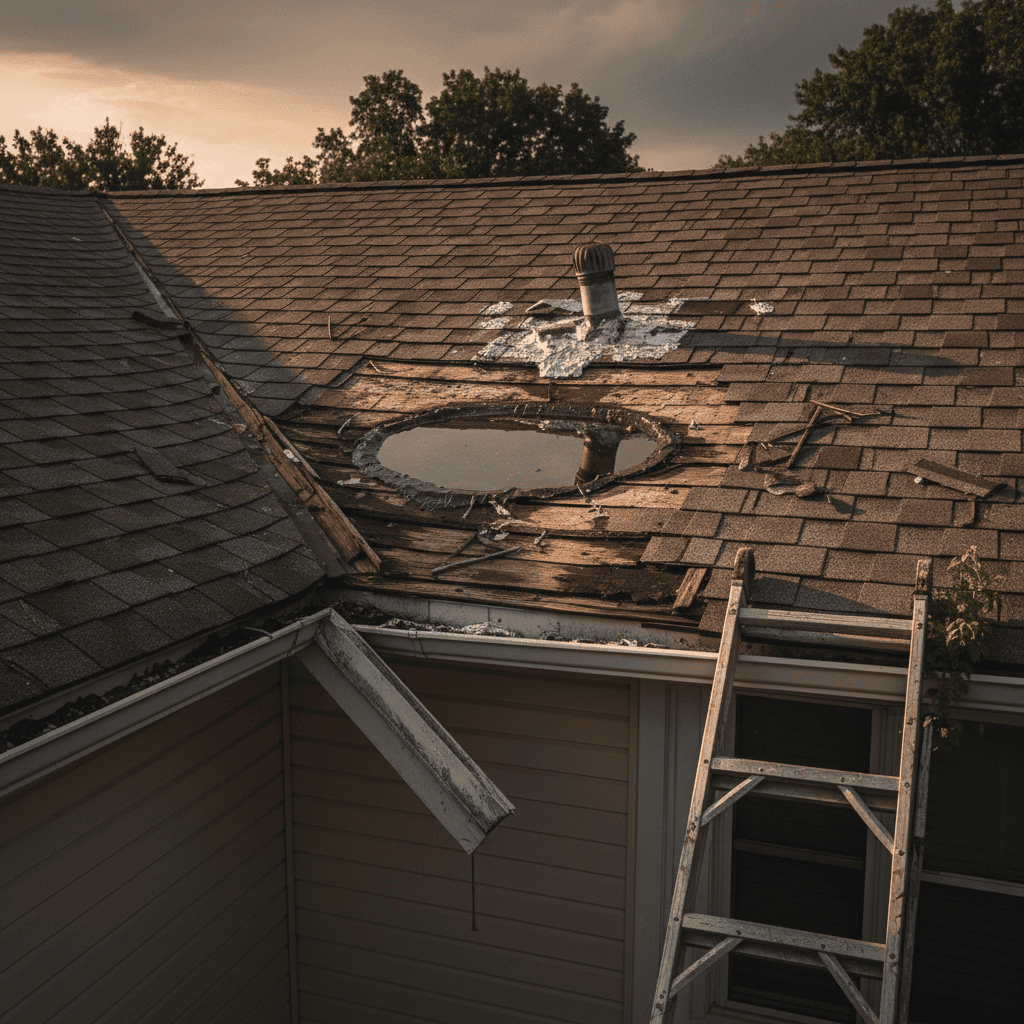
Roof problems often begin as tiny issues but can quickly grow into big headaches if ignored. Spotting common roofing mistakes and knowing how to dodge them helps protect buildings, save cash, and make roofs last longer. Imagine catching a leak early before it wrecks the whole house—that’s the kind of secret here. Real stories and smart tips show how simple fixes can prevent costly repairs. A handy checklist gets you ready for the next roof checkup, making the whole process way less stressful. If saving money and keeping your home safe matter, this info will keep you ahead of the game.
Whether you are hiring a contractor or planning some weekend work, knowing what to watch for makes a big difference. The right choices at the right time prevent leaks, rot, and lost insulation value. Below I break down the errors that cause the most damage and show how to avoid them step by step.
Roofing Mistakes You Must Avoid Read This Now Overview of the most damaging errors
Start by recognizing the highest risk items. Homeowners often miss these areas until a visible problem appears. Ignoring these signs produces higher repair bills and more disruptive emergency work.
- Ignoring small leaks that appear after a storm
- Using the wrong roofing material for local climate
- Poor flashing installation at roof penetrations
- Insufficient attic ventilation and insulation
- Improper shingle nailing and alignment
Each of these mistakes has an underlying cause that can be corrected with the right approach. The sections below take you through the reasons these errors happen and how to avoid them in practice.
Choosing the wrong roofing material for your location
One of the fastest ways to shorten roof life is picking a material that does not match local weather. For example, lightweight composite shingles that perform well in mild climates will fail faster in coastal areas with high wind and salt exposure. Metal or specially treated shingles are better choices for storms and salt air.
Match material to climate and roof slope
Consider these points when selecting materials
- Wind rating ratings matter for coastal and open plain properties
- Snow load and ice dam risk affect underlayment and eave design
- Low slope roofs need water-shedding designs rather than standard shingles
Cost versus lifespan trade off
Higher upfront cost can mean fewer replacements over decades. Run a simple cost per year estimate. Divide initial cost by expected useful life to compare options. Often a higher grade shingle or metal system costs less over 30 years.
Poor installation errors that cause the most failure
Installation mistakes are common and often visible if you know what to look for. Poor nailing, bad shingle alignment, incorrect starter rows and misapplied underlayment all reduce roof performance.
Flashing and penetration failures
Flashing is the material around chimneys, vents and valleys where leaks commonly start. Signs of poor flashing include raised edges, gaps, or sealant used as the primary waterproofing element. Proper flashing is integrated under and over roofing layers to create a durable barrier.
Nailing pattern and shingle placement
Shingles require specific nailing patterns and counts per shingle. Too few nails allow wind uplift. Nails placed too high or too low can cause blow offs or internal stress that cracks the shingle. A simple check from the ground or ladder can reveal misaligned rows or exposed nail heads.
Neglecting regular inspections and maintenance
Small issues multiply when there is no routine checkup. A seasonal inspection catches missing shingles, granule loss, gutter blockages and early rot. Aim for at least two visual checks per year and after severe weather.
For a professional review consider reading this practical guide from Infinity Roofers which covers inspection sequences and maintenance priorities. Use it to create a checklist you can follow.
What to include in an inspection
- Check for loose or missing shingles
- Inspect flashings, vents and chimney seals
- Look for moss, algae or granule buildup
- Clear gutters and downspouts to prevent backup
- Assess attic for signs of moisture or insulation gaps
Simple maintenance tasks to schedule
Small interventions save money. Replace worn sealants, trim tree limbs that rub the roof, remove debris and fix flashing before leaks start. Keep a photo log during each inspection so you can track changes over time and show any contractor exactly what you see.
DIY traps and when to call a professional
Doing minor work around the house is satisfying and economical when safe. Roofing work carries fall risk and errors that can void a warranty. Know what to try and what to leave to a trained crew.
- DIY tasks to consider include cleaning gutters, removing debris and replacing a single broken shingle on a low slope roof
- Hire a pro for any work that requires walking on a steep surface, replacing multiple shingles, installing flashing or fixing vent systems
Example scenario where a pro is needed. If you see dark streaks inside an upstairs ceiling after heavy rain do not climb the roof to search. A professional inspection finds the source without causing harm to you or the roofing layers.
Ventilation and attic mistakes that silently damage roofs
Attic ventilation is a common blind spot. Poor airflow traps moisture and heat under the roof covering. This accelerates shingle breakdown and leads to rot in roof decks and rafters.
- Check for balanced intake and exhaust vents. Intake at the eaves with exhaust near the ridge works well
- Verify insulation does not block intake vents
- Watch for condensation stains or mold in the attic
In cold climates trapped warm air melts snow and forms ice dams along eaves. Ice dams force water under shingles and into the structure. Proper insulation and ventilation reduce that risk and lengthen roof service life.
Budget shortcuts that cost more over time
Low bids are tempting. They can hide cheaper materials, less experienced crews, or shorter warranties. When the contractor corners on price, ask for clear specifications, brand names, and warranty terms in writing before work starts.
Price red flags to watch for
- Vague scope of work that leaves flashing and ventilation unspecified
- Unwillingness to provide references or a physical business address
- No permit or disposal plan for old roofing materials
Ask for a written timeline and a punch list that defines final acceptance. Hold back a small portion of payment until you and the contractor confirm the work meets the agreed items on the punch list.
Signs you need immediate action to prevent collapse of systems
Some issues require prompt attention. Watch for these urgent signs and arrange repairs quickly to avoid major structural costs.
- Sudden interior leaks after a storm
- Visible sagging in the roof deck or rafters
- Rot around eaves, flashing or fascia boards
- Large areas of shingles missing after high winds
For safety, do not walk a roof that shows structural sag. A qualified contractor can probe the deck and support members from a ladder and attic to determine next steps.
Roof problems are often predictable. With early detection and the right choices you can prevent the most costly outcomes. Regular checks, correct materials for the climate, proper ventilation and professional help when needed are practical steps that pay off over years. Use the inspection ideas and common error list above as a live checklist for your property.
Act today to protect your investment. Start with a thorough walkaround and attic check. Note anything unusual and plan the fixes in priority order. If you need a professional review look for a local crew that provides clear warranties, written scope and an inspection report you can keep. Taking action now keeps small problems from becoming major repairs. Schedule an inspection, map out a maintenance plan and make the few strategic upgrades that prevent repeated fixes. Your roof will last longer and costs over time will be lower when you take these steps now.
 Design a Home Optimized for Both Living and Operating
  Family Law Explained
  Benefits of Pest Control Services
  Free Psychic Readings
  Christmas Spending
  Gold Jewelry Fashions